When the Caregiver Becomes the Patient: A Nursing Educator’s Stroke Experience
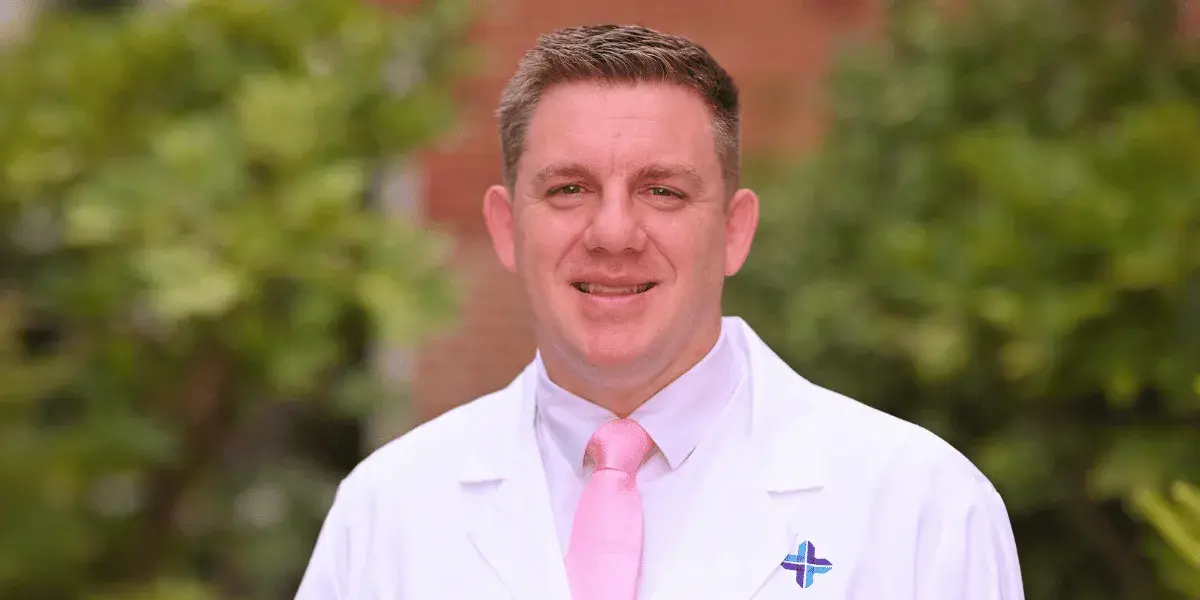
As a critical care nurse, Kenneth Human is used to being the one patients go to for help.
So, when he suffered a stroke on the job in October 2025, he was hesitant initially to acknowledge his own need and ask others to care for him.
"I was embarrassed at first. I remember my vision going crossed and couldn't see straight. I lost my balance and leaned up against a wall as someone walked by," Human said, adding that he had been preparing for an upcoming CrossFit competition.
He looked at his watch to note the time, understanding that if he was having a stroke, time was important.
Shortly after that episode, he made his way to a nursing station in the critical care unit and looked visibly distraught. He had to sit down and ask for water. By now it was evident something was off, so the medical team rushed him to imaging to confirm that he had suffered a stroke. As a result, providers administered a clot-busting drug since he was within the appropriate window of time.
“I’ve always taken care of my body and been thoughtful about what I do with my body and put in my body,” Human said. “So, it was difficult to be on the other side of it.”
Human suffered a stroke but made a full recovery after weeks of rest. Doctors determined he had a rare genetic condition in his heart that makes him more susceptible to strokes.
Reflecting on his experience, Human, now working as a nursing educator, thanked his colleagues for handling his emergency with such care and attention. He reminds others to pay attention to their bodies, especially when something feels off, and to never be afraid to ask for help.
Everyone should be aware of the signs and symptoms of a stroke. The acronym B-E-F-A-S-T should be top of mind as we raise awareness, Human said.
- B – Sudden loss of balance
- E – Loss of vision in one or both eyes
- F – Face looks uneven or drooping
- A – Arm or leg becomes weak or is hanging down
- S – Speech is slurred or there is confusion or trouble when speaking
- T – Time is critical. Call 911 immediately.
Through this trial, Human said his faith has grown, and he has learned to cherish his time with his wife and two sons.
“This has given me a new perspective on life,” he said.