Safe sleep for babies: Simple steps that save lives
Bringing home a new baby comes with plenty of questions, and sleep is often one of them. Newborns spend much of their time sleeping, feeding, and staying close to their caregivers. Making sure every sleep takes place in a safe environment is one of the most important ways parents can help protect their baby.
According to pediatric safety experts, many sleep-related infant deaths can be prevented by creating a safe sleep environment and following a few simple recommendations. Safe Kids Worldwide and the American Academy of Pediatrics encourage families to make safe sleep practices part of every nap and nighttime sleep.
Remember the ABCs of safe sleep
A is for Alone. Your baby should sleep alone in their own sleep space. Keep the crib, bassinet or play area free of blankets, pillows, stuffed animals, bumper pads and other soft items that could increase the risk of suffocation.
B is for Back. Always place your baby on their back for every sleep, including naps. Back sleeping is one of the most important steps parents can take to reduce the risk of sudden infant death syndrome (SIDS) and other sleep-related tragedies.
C is for Crib. Babies should sleep on a firm, flat mattress covered with a fitted sheet in a safety-approved crib, bassinet or play yard. Soft surfaces such as couches, recliners and adult beds are not safe places for infant sleep.
Room share, don't bed share
Many parents are surprised to learn that experts recommend keeping babies close, but not in the same bed.
The American Academy of Pediatrics recommends that infants sleep in the same room as their parents, ideally for at least the first six months. However, babies should have their own separate sleep space.
Sharing a room can make feeding and comforting your baby easier while reducing sleep-related risks. Sharing an adult bed, however, increases the risk of suffocation, entrapment and accidental injury.
Keep the crib simple
A safe sleep environment may look surprisingly bare.
While decorative bedding, blankets and crib accessories can seem cozy, they are not recommended for infants. The safest crib contains only:
- A firm mattress
- A fitted sheet
- Your baby
That's it. No blankets, pillows, bumper pads, stuffed animals or sleep positioners should be in the crib.
If you're concerned your baby may be cold, dress them in appropriate sleep clothing or a sleep sack rather than using loose bedding.
What about swings, car seats and other sleep products?
Car seats, strollers, swings, bouncers and infant loungers can be helpful when your baby is awake, but they are not designed for routine sleep.
If your baby falls asleep in one of these products, move them to a firm, flat sleep surface as soon as it is safe to do so. Babies can have difficulty maintaining an open airway when sleeping in seated or inclined positions.
Common safe sleep myths
“My baby could choke while sleeping on their back.”
Parents often worry about spitting up and choking. However, healthy babies naturally protect their airways, and experts continue to recommend back sleeping as the safest position.
“My baby sleeps better on their stomach.”
Some babies may appear more comfortable sleeping on their stomachs, but stomach sleeping increases the risk of sleep-related death. Babies should always be placed on their backs to sleep.
“A blanket will help keep my baby warm.”
Loose blankets can cover a baby's face or contribute to overheating. Sleep sacks and wearable blankets are safer alternatives.
When babies start rolling
Once babies can roll from back to stomach and stomach to back on their own, parents do not need to reposition them throughout the night. Continue placing your baby on their back at the beginning of every sleep period but allow them to find their own sleep position once they can roll independently.
Additional ways to support safe sleep
Safe Kids Worldwide and pediatric experts also encourage families to:
- Keep smoking, vaping and tobacco products away from babies.
- Avoid products that claim to prevent sudden infant death.
- Follow guidance from your pediatrician regarding sleep safety.
- Make sure anyone caring for your baby, including grandparents, relatives and childcare providers, follows the same safe sleep recommendations.
Every sleep. Every time.
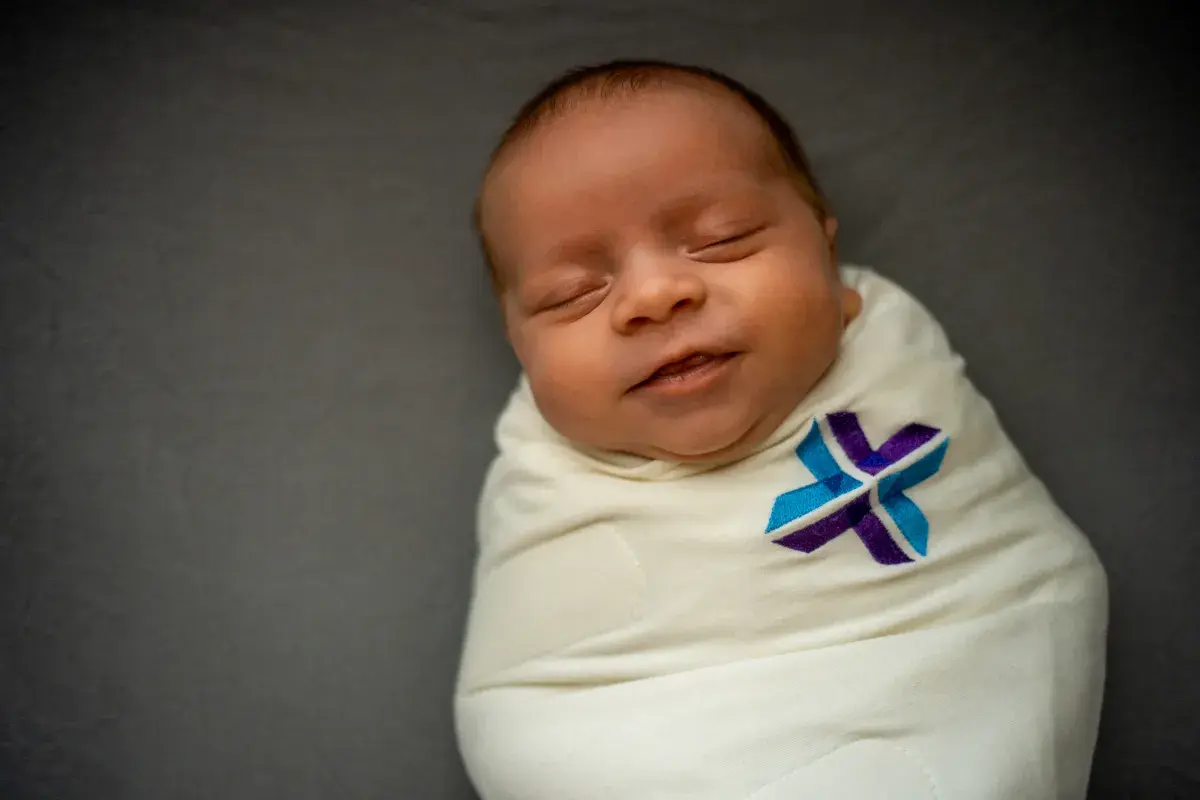
The safest sleep environment is also one of the simplest: place your baby alone, on their back and in a crib or bassinet with a firm, flat sleep surface.
Whether it's a nap, bedtime or a quick doze during the day, following these safe sleep practices every time can help protect your baby during their first year of life. If you have questions about your infant's sleep habits or safety, talk with your pediatrician for guidance specific to your child.
Did You Know?
Spartanburg Medical Center has earned Gold Safe Sleep Hospital recognition from the National Safe Sleep Hospital Certification Program for its commitment to promoting safe sleep education and helping families follow evidence-based practices that reduce the risk of sleep-related infant deaths.