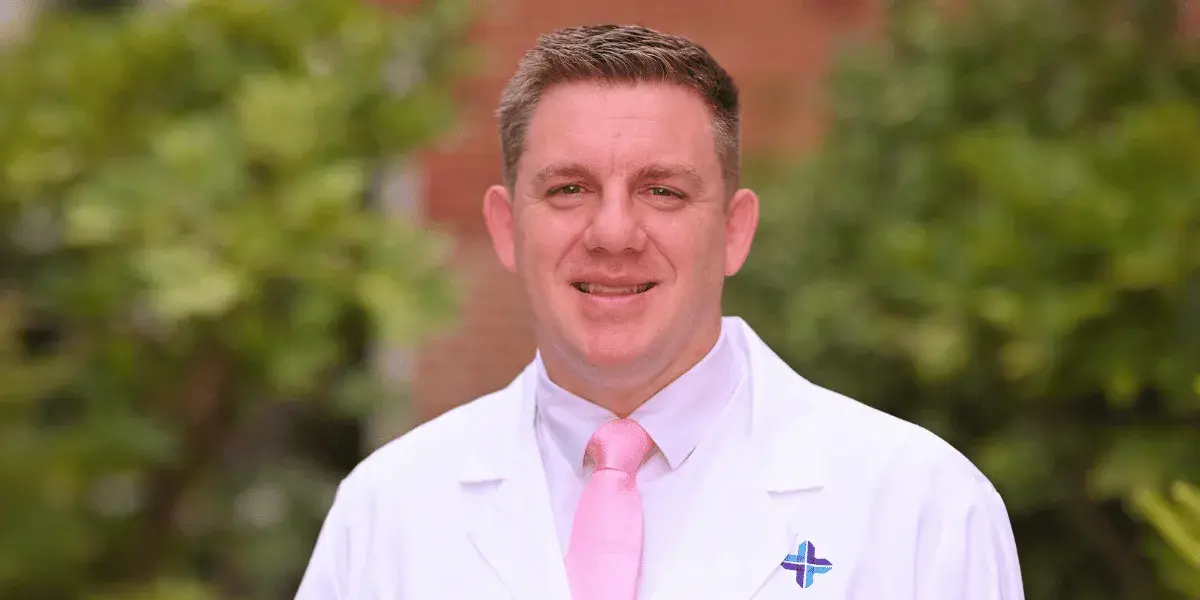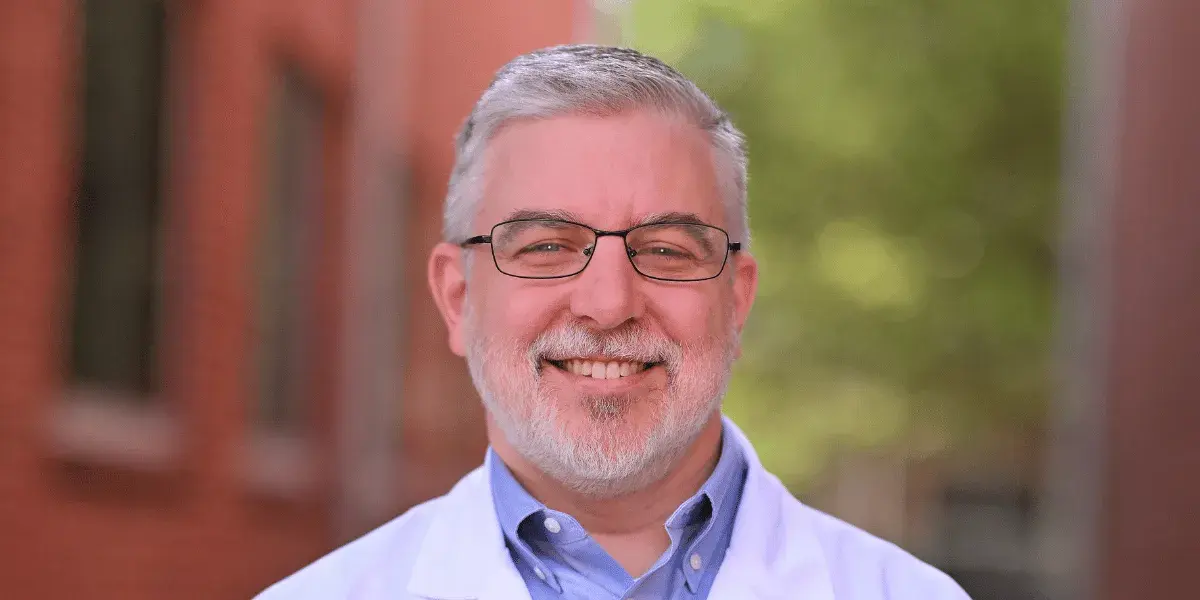
Pulmonologist Dr. Travis Greer is advancing lung care close to home
A Greenville native with more than a decade of experience in pulmonary and critical care medicine, Dr. Travis Greer brings both expertise and innovation to Spartanburg Regional Healthcare System along with a deeply personal commitment to the Upstate community.
Dr. Greer is now seeing patients at Spartanburg Medical Center - Pulmonology – Pelham.
Dr. Greer’s journey into medicine—and ultimately pulmonology—wasn’t something he initially planned.
“I didn’t go into residency thinking I’d choose pulmonology,” he said. “But during my rotations, I became fascinated with pulmonary medicine—especially the procedural side and the complexity of critical care. Once I experienced both the outpatient and ICU environments, I knew that combination was the right fit for me.”
That blend of hands-on procedures and high-acuity patient care continues to define his work today.
A significant focus of Dr. Greer’s career has been diagnosing and treating lung disease—particularly lung cancer. He has a strong interest in navigational bronchoscopy, a minimally invasive technique used to biopsy lung nodules.
“It’s a unique balance,” he said. “You’re often delivering difficult news, but at the same time, you’re helping patients get answers. That clarity allows us to move forward with the best treatment plan possible.”
Over the past decade, advances in technology—especially robotic bronchoscopy—have transformed what’s possible in lung care, he said.
“When I first started, there was about a 50-50 chance of successfully reaching and diagnosing a lung nodule,” Dr. Greer said. “Now, with newer robotic systems, we can access areas of the lung that were previously unreachable and diagnose much smaller abnormalities with much greater accuracy.”
These innovations are enabling earlier detection of lung cancer, often at more treatable stages.
“We’re increasingly identifying cancers at stage one, when they’re curable,” he said. “That’s exactly what we want to see.”
For Dr. Greer, technology is only part of the equation. Equally important is how he connects with patients.
“I try to come into each visit prepared, but I always start by listening,” he said. “I ask patients to tell their story in their own words. That helps build trust and makes them feel heard and understood.”
He also emphasizes patient education, ensuring individuals understand their diagnosis and the realistic goals of treatment.
“Not everything we treat is curable,” he said. “For conditions like COPD or pulmonary fibrosis, the goal is to maintain lung function and improve quality of life. It’s important that patients know what to expect so we can make decisions together.”
Dr. Greer grew up in the Greenville area and has always felt a strong pull to return to the region. After completing his training elsewhere—including his fellowship in Charleston—he and his family returned to the Upstate to be closer to home.
“We realized pretty quickly that this is where we wanted to be,” he said. “Being near family and raising our kids here has been important to us.”
After spending 13 years in practice in the Upstate, Dr. Greer said his move to Spartanburg Regional felt like the right next step.
“The opportunity aligned perfectly with my interests—particularly in lung cancer care and advanced diagnostics,” he said.
He is especially excited about the system’s growing focus on cancer services and innovation.
“There’s so much progress happening right now—between robotic diagnostics and advances in therapies like immunotherapy,” he said. “We’re able to do more for patients than ever before, and that’s incredibly encouraging.”
When he’s not caring for patients, Dr. Greer enjoys spending time with his wife and three children. His oldest recently graduated high school and will attend Furman University, while his younger children are active in school and extracurricular activities.
“Most of my free time is spent with my family,” he said. “That’s what I enjoy the most.”
As Dr. Greer begins this new chapter at Spartanburg Regional, he brings with him both experience and enthusiasm for the future of pulmonary care.
“It’s an exciting time in this field,” he said. “We’re seeing real progress, especially in lung cancer detection and treatment. Being part of that—and helping patients through it—is incredibly meaningful.”