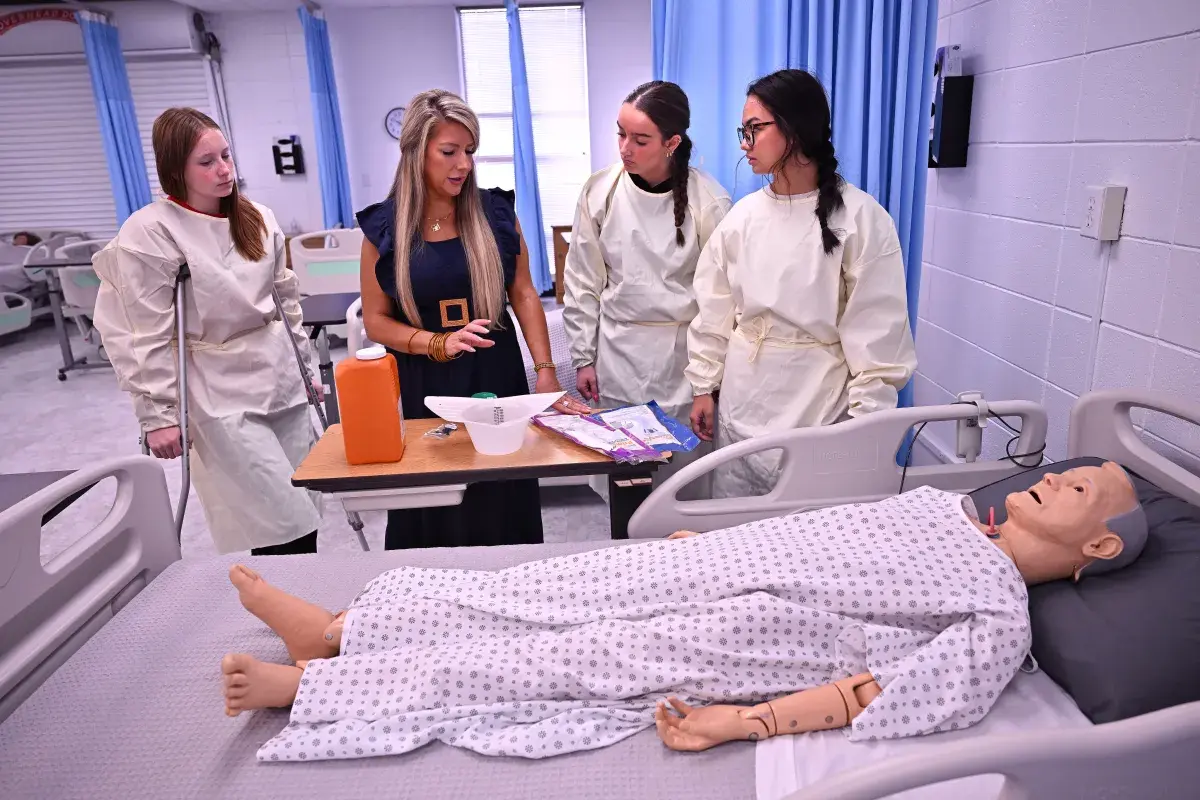
Bright future: Spartanburg Regional, Upstate career centers join forces for healthcare training
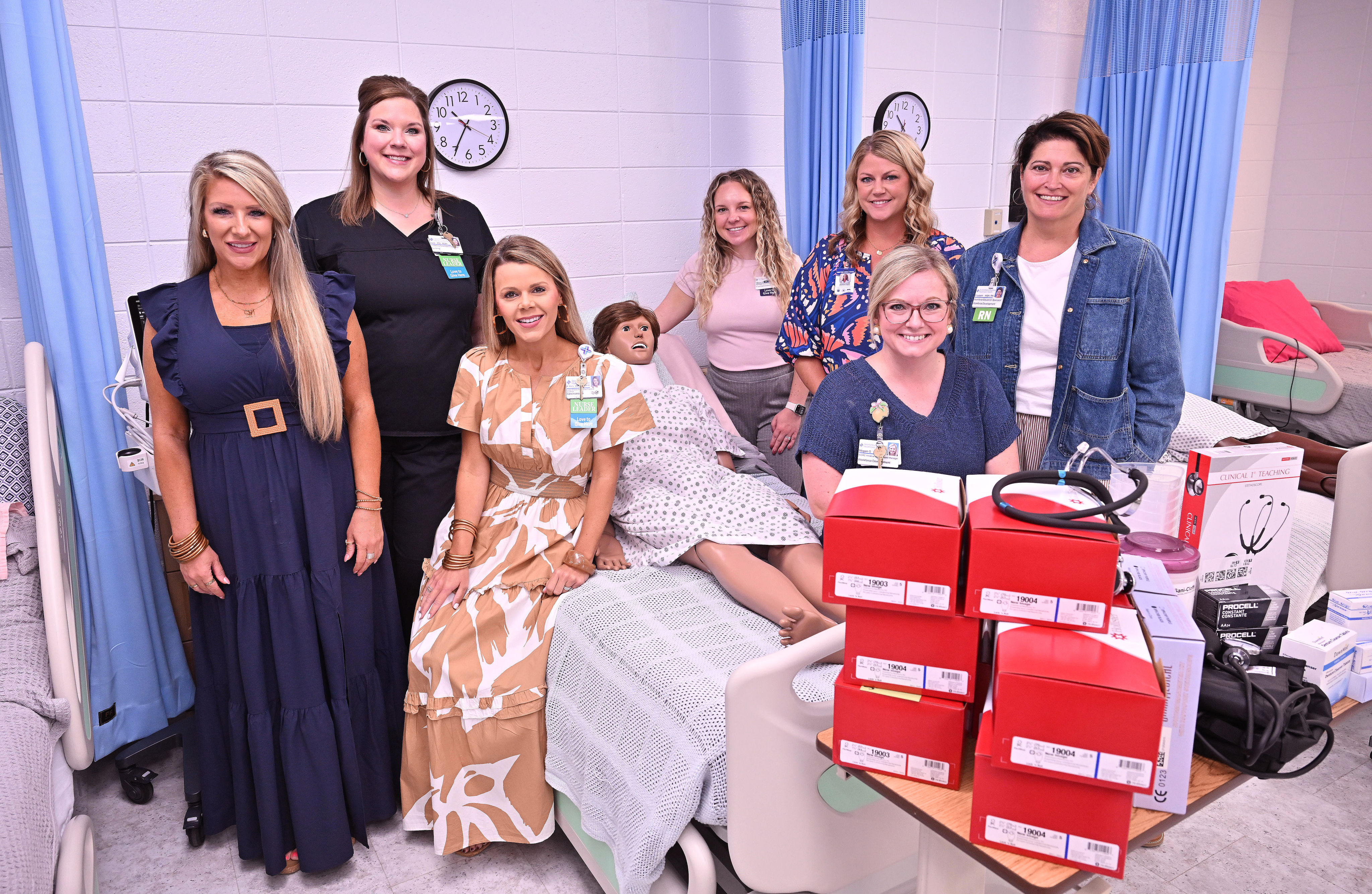
Amid an ongoing demand for skilled healthcare workers, Spartanburg Regional Healthcare System and the Spartanburg Regional Foundation recently forged a significant alliance with Upstate career and technology centers to address this pressing challenge.
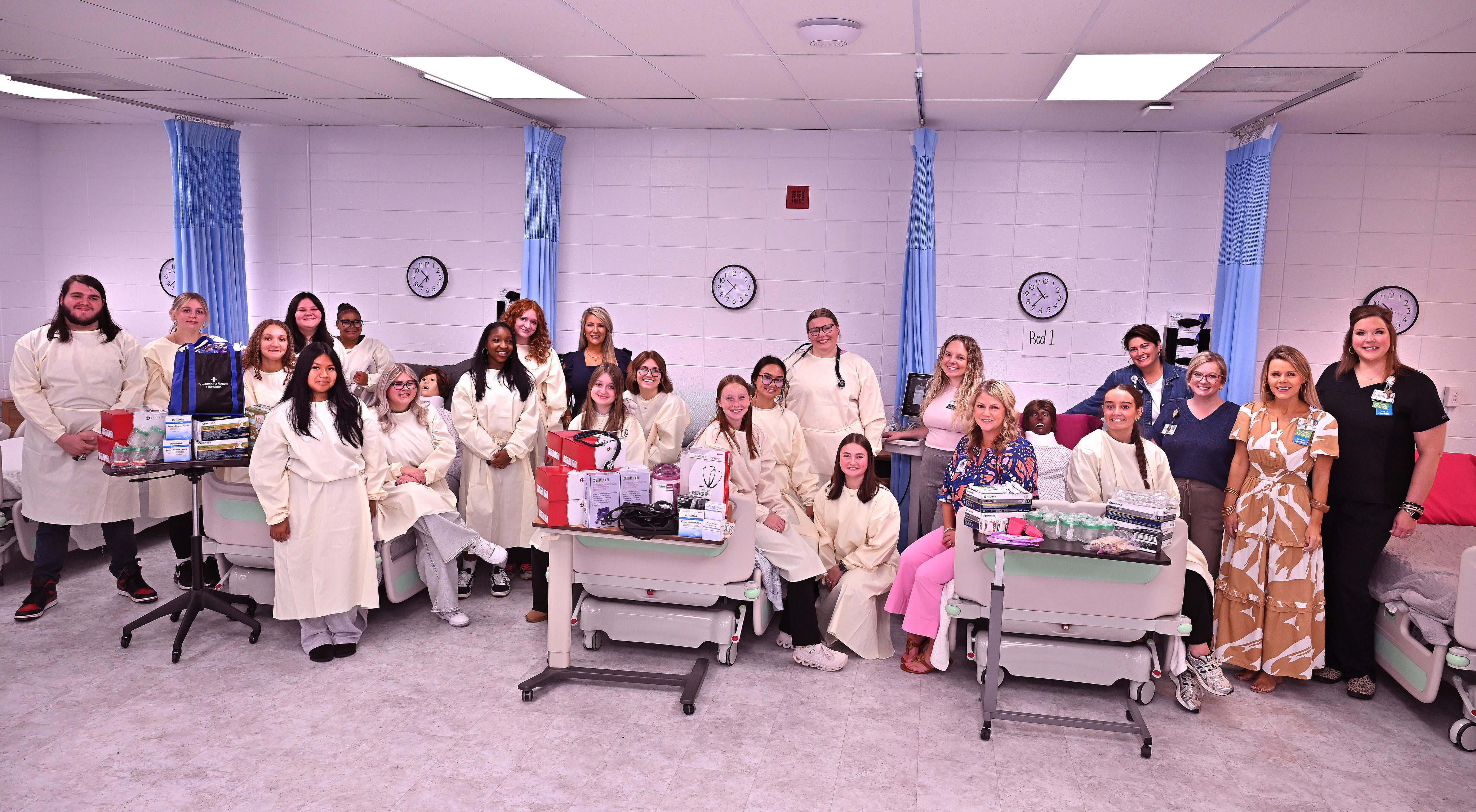
Grant funding provided by the Department of Labor and Spartanburg Regional Foundation provided vital medical training equipment, including manikins and other healthcare training resources. This partnership seeks to empower the next generation of healthcare professionals, ensuring that local high school students are well equipped to transition into clinical roles with competence and confidence.
This equipment enables students to practice hands-on skills in a safe environment—an opportunity that can enhance their education, and likelihood of them seeking full-time employment in health care.
Several career and technology centers — including RD Anderson Applied Technology Center, Swofford Career Center, Daniel Morgan Technology Center, Union County CATE Center and the Institute of Innovation in Cherokee County — each received $15,200 in resources including “Susie Simon” manikins, vital sign machines and essential supplies.
“Partnership with the career centers and our healthcare system, with philanthropic support from public and private dollars, is a beautiful example of collective impact driving economic mobility opportunities and advancing health,” said Polly Edwards-Padgett, Executive Director of Spartanburg Regional Foundation.
Shelly McMillan, system director, professional practice, innovation, and workforce development, expressed the organization's pride in supporting local career centers.
"Spartanburg Regional is proud to support our local career centers through the donation of essential training equipment. This donation is part of the ongoing commitment to strengthen workforce development and clinical education across the Upstate," she said.
Her sentiments capture the heart of this partnership, which is set to provide students with the tools they need for a successful career in health care.
McMillan, along with other leaders from the healthcare system and representatives from the Spartanburg Regional Foundation, visited each career center to deliver, unbox and assemble new manikins and equipment for students this fall.
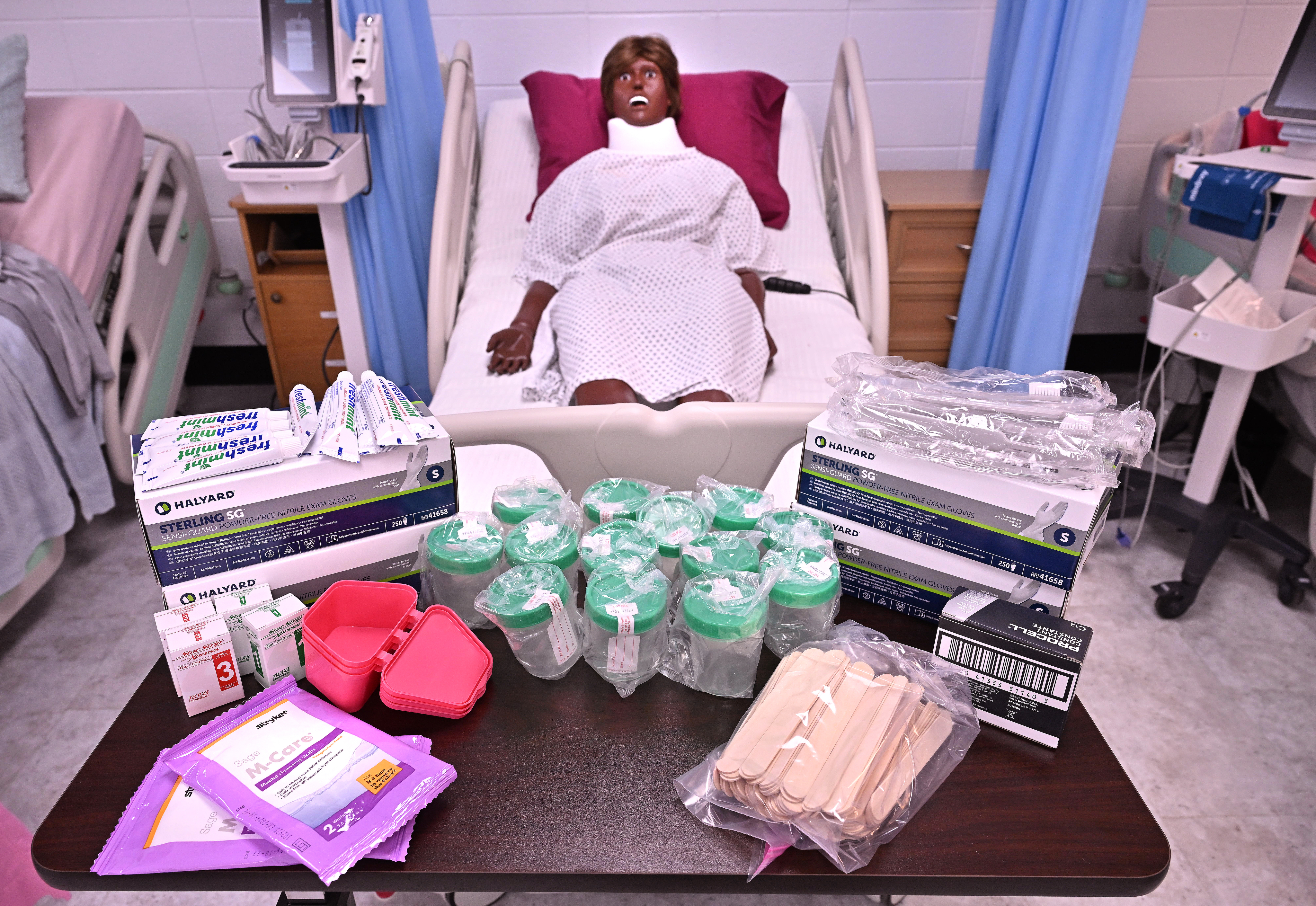
At Swofford Career Center, classmates eagerly helped the Spartanburg Regional team assemble and position the new manikins for future use, expressing thankfulness for the generous support.
Kristen Robinson, a health science instructor at Swofford Career Center, shared firsthand experiences about the impact of the Spartanburg Regional Foundation donation.
"The generous donation of medical manikins and supplies has truly transformed the learning experience for our high school healthcare students. With these realistic training tools, students now can practice hands-on skills in a safe, supportive environment," she said.
The equipment allows students to engage in practical training scenarios, from checking vital signs to performing basic clinical procedures, to bridge the gap between textbook knowledge and real-world application.
The partnership aligns with the broader goals outlined in the High School to Health Care (HS2HC) programming umbrella, funded by the Workforce Opportunity for Rural Communities (WORC) Initiative Grant.
This initiative includes crucial programming activities like summer camps, internships and career immersion days, aimed at increasing access to education and real-world experience for high school students interested in healthcare careers.
The equipment donation project was a primary goal for year one of the WORC grant.
Julie Denesha, workforce development manager for Spartanburg Regional, said that a collaborative model ensures that students are equipped with the latest knowledge in healthcare, ultimately strengthening their readiness for postsecondary education and careers in the healthcare workforce.
“This initiative is designed to expand healthcare career pathways for rural students by providing equitable access to modern training resources and clinical experiences. Through the strategic partnership between Spartanburg Regional Healthcare System, local career and technology centers and Spartanburg Regional Foundation, the effort goes beyond equipment donations and focuses on aligning curricula with industry standards, enhancing instructor development and fostering mentorship opportunities,” Denesha said.
McMillan said, “By equipping local career centers with the right training resources, we are helping students gain the hands-on experience necessary to enter clinical roles with confidence and competence.”
This sentiment resonates not only with the instructors but also with the students who are beginning to contemplate their futures in health care. As the healthcare landscape continues to evolve, initiatives like this one are paramount for sustaining a robust workforce.
Learn more about Spartanburg Regional’s workforce development efforts by visiting SpartanburgRegional.com/Services/Workforce-Development.