Gibbs oncologist improving outcomes in pancreatic cancer patients through breakthrough treatment
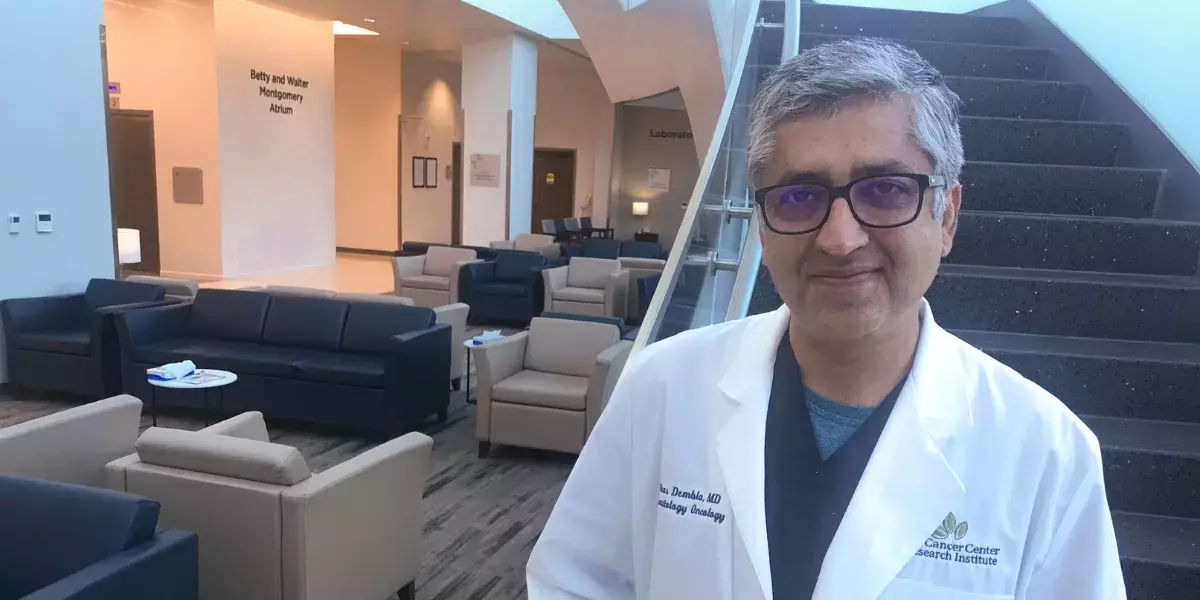
As Pancreatic Cancer Awareness Month shines a spotlight on one of the deadliest forms of cancer, patients in the Upstate now have access to a groundbreaking new treatment option through Dr. Vikas Dembla, who has already seen promising results using the newly approved targeted therapy Rasonque (daraxonrasib).
Recently approved by the U.S. Food and Drug Administration, Rasonque is the first treatment of its kind for metastatic pancreatic adenocarcinoma, the most common form of pancreatic cancer.
The daily oral medication targets RAS proteins, which drive tumor growth in the vast majority of pancreatic cancer patients. In a clinical trial involving 500 adults with previously treated metastatic pancreatic cancer, patients taking the drug experienced a median overall survival of 13.2 months compared to 6.7 months for those receiving standard chemotherapy.
Long before FDA approval, Dr. Dembla was helping eligible patients gain access to the investigational therapy through the FDA's Expanded Access Program (EAP). The program allows patients with serious, life-threatening illnesses to receive promising therapies before they are commercially available when no comparable treatment options exist.
According to Dr. Dembla, three of his patients received the therapy through the EAP, a complex approval process that often requires coordination among physicians, pharmaceutical companies and regulatory agencies. The process can take weeks or even months to complete. For patients facing advanced pancreatic cancer, however, the effort can be life changing.
"I think this is a very promising update or breakthrough in patients with stage 4 pancreatic cancer," said Dr. Dembla. One, it's an oral drug, so it gives them the convenience of taking it without having to come for IV infusions. Second, there are strong results compared to IV chemotherapy. So not only is it more effective, it's also more convenient."
The FDA's approval of Rasonque marks an important milestone for pancreatic cancer care and provides new hope for patients diagnosed with a disease that has historically been difficult to treat. Pancreatic adenocarcinoma accounts for approximately 90 to 95% of pancreatic cancer cases and remains one of the leading causes of cancer-related deaths in the United States.
Patients seeking access to the latest advances in cancer treatment will soon have another opportunity to receive care closer to home. Dr. Dembla will also begin seeing patients in Gaffney, expanding access to specialized oncology care for residents across Cherokee County and the surrounding communities.
"This is the first time in a few decades that such a major breakthrough has happened in pancreatic cancer, which traditionally is known to have a very poor prognosis and is usually detected in the last stages. This is wonderful news for patients," Dr. Dembla said.
For patients and families facing pancreatic cancer, new innovations like Rasonque represent more than just a new drug. They represent renewed hope and the possibility of better outcomes close to home.
To learn more about clinical innovations at Spartanburg Regional Healthcare System and Gibbs Cancer Center, visit SpartanburgRegional.com/Innovations.